When it comes to entrances for commercial spaces, offices, or high-end residential properties, doors are more than just a barrier; they are the first impression. Choosing the right type of door impacts safety, accessibility, aesthetics, and energy efficiency. Among the most popular options are automatic sliding doors in NYC, swinging doors, and telescoping doors. Each has unique features, benefits, and ideal applications. This blog will help you make an informed choice.
Understanding Automatic Sliding Doors in NYC
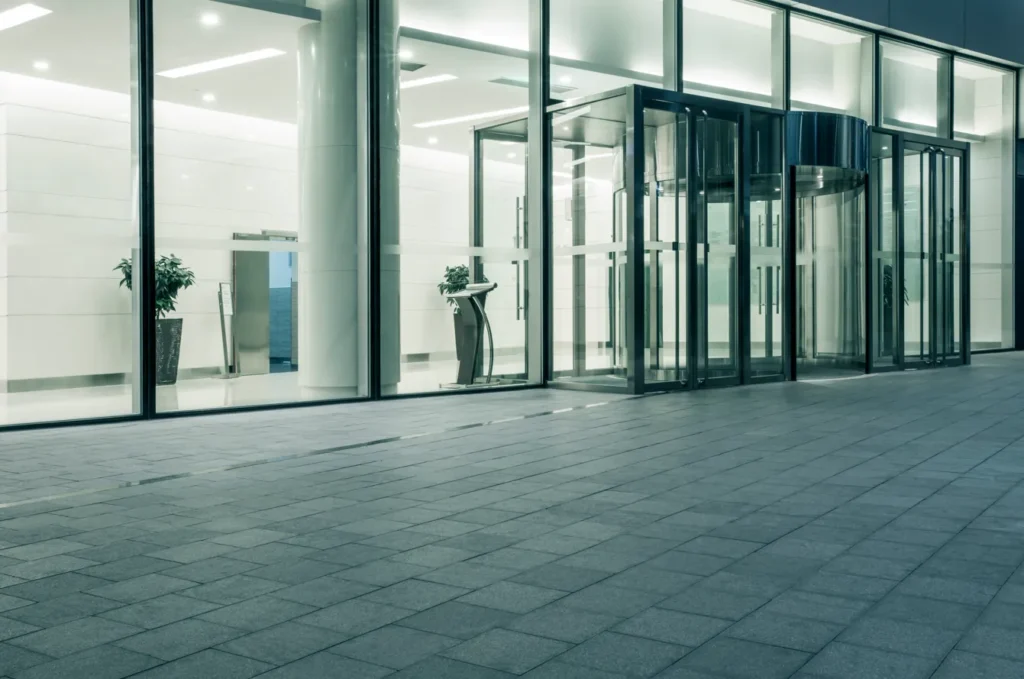
Automatic sliding doors are a familiar sight in modern buildings, airports, and retail stores. These doors glide open when sensors detect movement, allowing hands-free access.
Benefits of Sliding Doors
- Hands-Free Convenience: Sliding doors offer unmatched convenience, particularly in high-traffic areas or places where people carry luggage, shopping bags, or equipment.
- Accessibility: They comply with ADA (Americans with Disabilities Act) standards, providing easy access for people with disabilities or limited mobility.
- Space Efficiency: Sliding doors require no swing space, making them ideal for tight areas or narrow corridors.
- Energy Savings: Many automatic sliding doors have advanced sealing mechanisms that help maintain indoor climate, reducing energy loss.
Ideal Applications
Sliding doors are ideal for retail stores, hospitals, airports, and office lobbies, where a smooth, continuous flow of traffic is crucial. They also complement modern architectural designs with their sleek, minimalistic look.
Exploring Swinging Doors
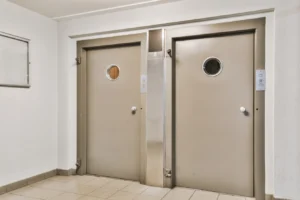
Swinging doors, also called hinged doors, open in one or both directions and can be manual or automated. They are among the oldest door types but remain highly versatile.
Benefits of Swinging Doors
- Durability and Strength: Swinging doors are often heavier and more robust, making them suitable for areas where security and durability are important.
- Simple Mechanism: They are easier to maintain and repair compared to complex automatic doors.
- Versatility: These doors can be installed almost anywhere, including interior rooms, conference halls, or emergency exits.
- Wide Range of Materials: Swinging doors are available in wood, metal, glass, and composite materials, offering flexibility in design.
Best Use Cases
Swinging doors work well in offices, restaurants, hotels, and residential spaces where moderate traffic is expected, and there is sufficient space for door swing. They are often used for interior rooms, emergency exits, and areas where durability is a priority.
Also read: How to Choose the Right Commercial Entry Door for Your Business
Understanding Telescoping Doors
Telescoping doors are an advanced variation of sliding doors. Multiple panels slide together and stack neatly to one side, making them highly space-efficient.
Benefits of Telescoping Doors
- Space Optimization: Because the panels overlap as they open, telescoping doors require even less space than traditional sliding doors.
- Wide Openings: They are perfect for large entrances where a full, unobstructed opening is necessary.
- Smooth Operation: Modern telescoping doors use precision engineering to ensure quiet and smooth sliding, which is ideal for high-end commercial or hospitality spaces.
- Sophisticated Design: These doors offer a contemporary, luxurious look that elevates the design of any building.
Best Applications
Telescoping doors are commonly used in luxury hotels, hospitals, corporate headquarters, and upscale apartments. They suit large entrances with frequent traffic and elevate the overall design of a building.
Comparing Door Types
Selecting the right door requires considering several factors:
- Space Requirements: Sliding and telescoping doors excel in areas with limited space, while swinging doors need room to swing open.
- Traffic Flow: Sliding doors support high traffic efficiently, telescoping doors are ideal for wide, busy entrances, and swinging doors are best for moderate traffic.
- Accessibility: Sliding and telescoping doors are easier for people with disabilities, whereas swinging doors may need automation for full ADA compliance.
- Aesthetic Appeal: Sliding doors offer modern minimalism, swinging doors provide classic versatility, and telescoping doors make a luxurious impression.
- Maintenance: Swinging doors are simple to maintain, while sliding and telescoping doors require occasional servicing for sensors and tracks.
Making the Right Choice With Door Guys NYC
Choosing between automatic sliding, swinging, and telescoping doors depends on specific building needs:
- Traffic Volume: High traffic favors sliding or telescoping doors; moderate traffic suits swinging doors.
- Space Constraints: Limited space calls for sliding or telescoping doors.
- Design Goals: Sliding or telescoping doors provide modern appeal; swinging doors suit classic designs.
- Accessibility Needs: Sliding and telescoping doors are ideal for ADA compliance.
- Budget: Swinging doors are cost-effective; telescoping doors are an investment for wide, impressive entrances.
Do you need help choosing the right automatic sliding door in NYC for your property? Contact Door Guys NYC. Our experienced professionals will choose the right door according to your needs and install it for you. They have the right tools and equipment to efficiently complete the task in no time.
Call us now and get a free quote.